
For many homeowners, installing a fence is not something they have done before. Understanding the typical process can help make the project feel much more straightforward.
While every project is slightly different, most fence installations follow a similar series of steps.
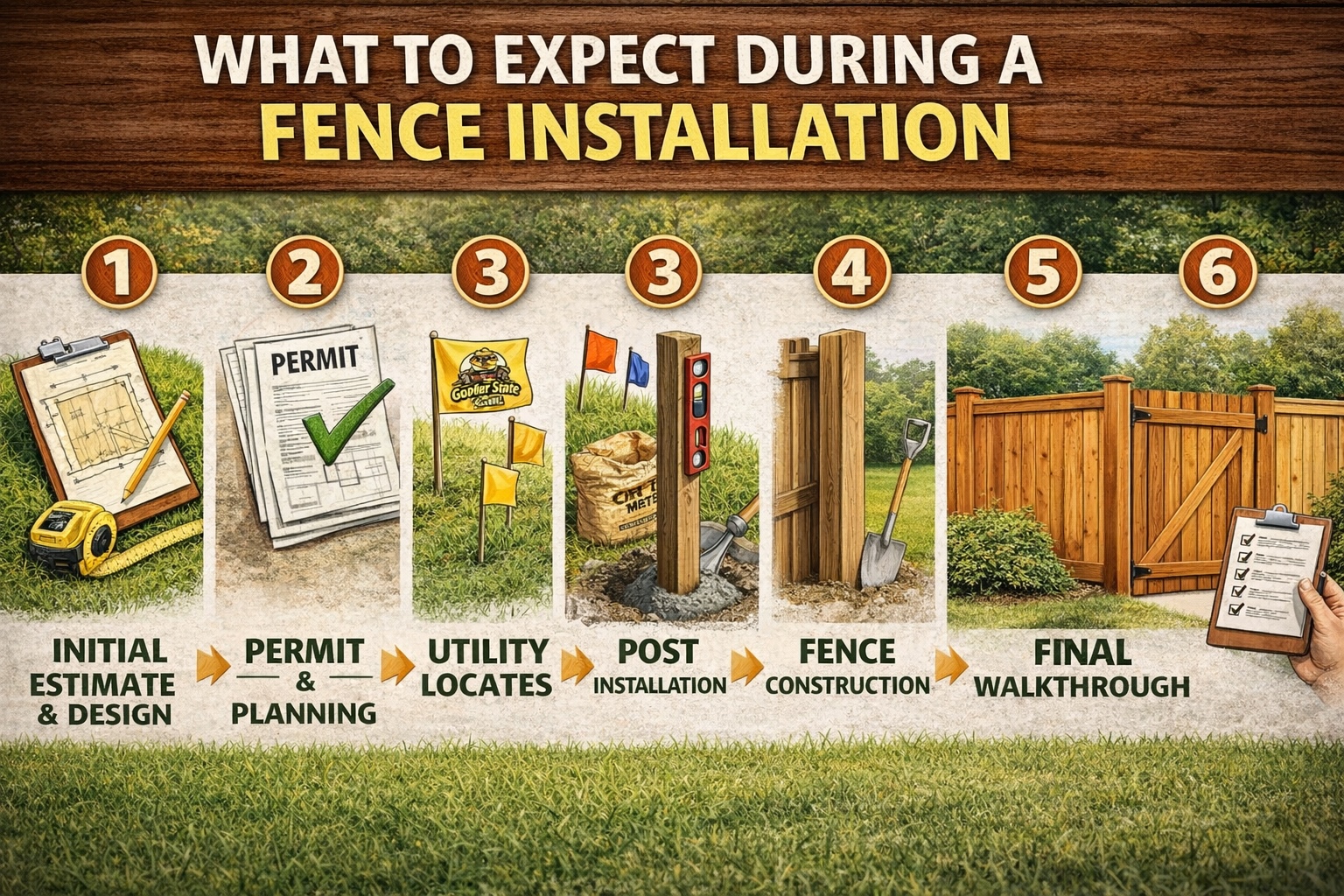
1. Initial Estimate and Design
The process usually begins with an estimate. During this stage, measurements are taken and the homeowner chooses the fence style and materials.
Common decisions include:
- Fence height
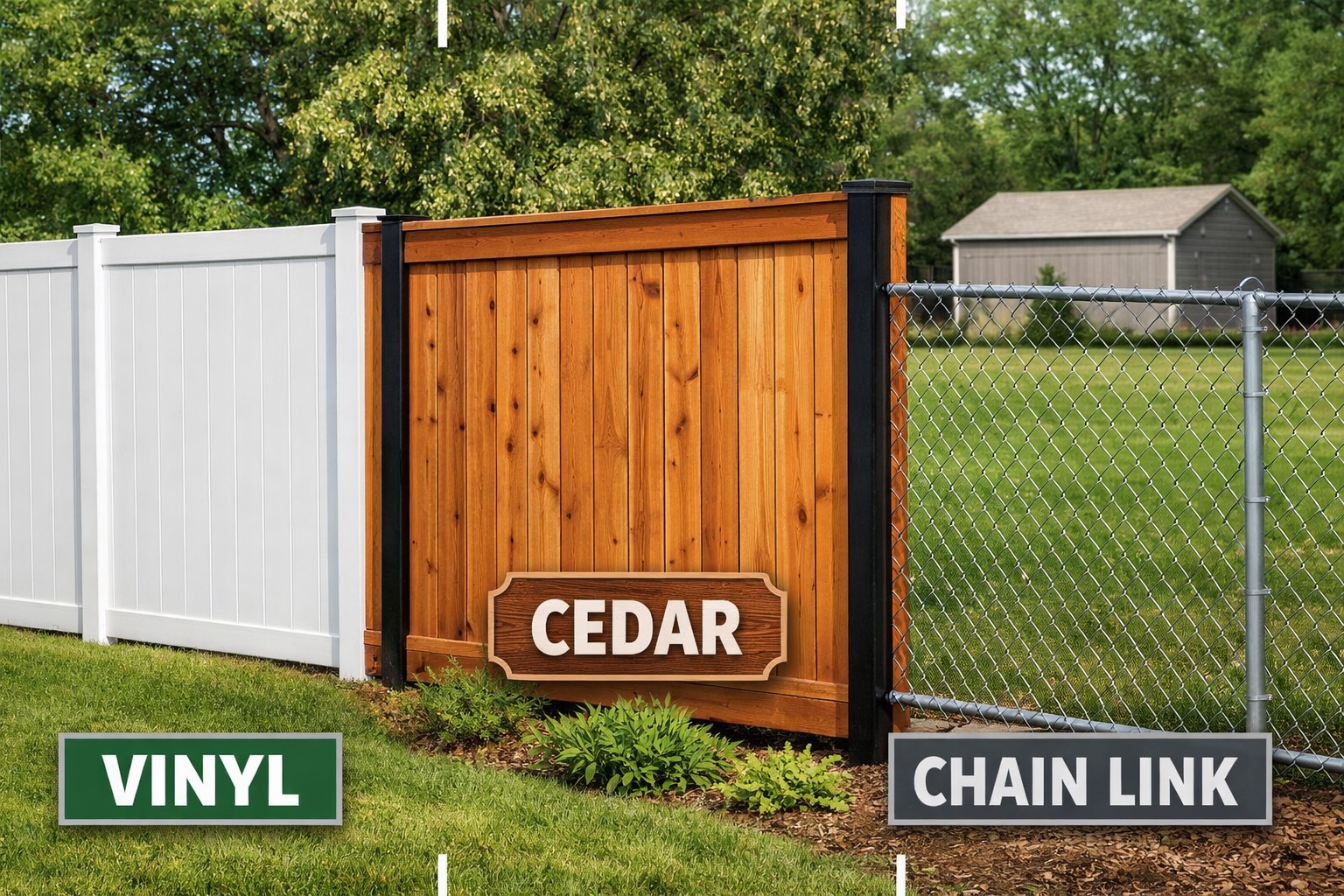
- Material type (cedar, vinyl, chain link, etc.)
- Gate locations
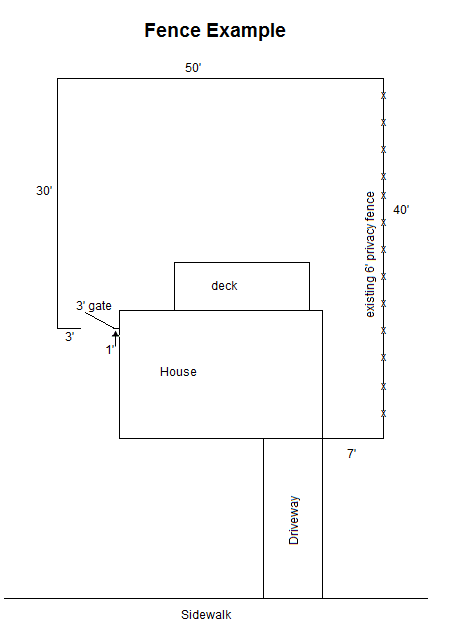
- Layout of the fence line
Once those details are determined, a project quote can be prepared.
2. Permit and Planning
Some cities require permits before a fence can be installed. When permits are required, the necessary paperwork and site plan are submitted to the city for approval.
If the property boundary is unclear, a homeowner may choose to obtain a survey to confirm the exact property line.
3. Utility Locates
Before digging begins, underground utilities must be located.
In Minnesota this is done through Gopher State One Call, which marks underground utilities such as:
- gas lines
- electrical lines
- cable lines
- water lines
This step helps ensure the installation can proceed safely.
4. Post Installation
The most important part of a fence is the posts. Posts are set deep in the ground to support the fence structure.
Proper post depth and spacing help ensure the fence remains stable and straight for many years.
Once the posts are set, they are allowed time to stabilize before the fence panels or rails are attached.
5. Fence Construction
After the posts are installed, the rest of the fence is built. This includes attaching rails, installing panels or boards, and constructing any gates.
At this stage the fence begins to take its final shape.
6. Final Walkthrough
Once installation is complete, the finished fence is inspected to ensure everything is secure and aligned properly.
The end result is a fence that improves privacy, security, and the overall appearance of the property.